Biofood and Health Intelligence: Fueling a Smarter, Healthier Future
Category : | Sub Category : Posted on 2023-10-30 21:24:53
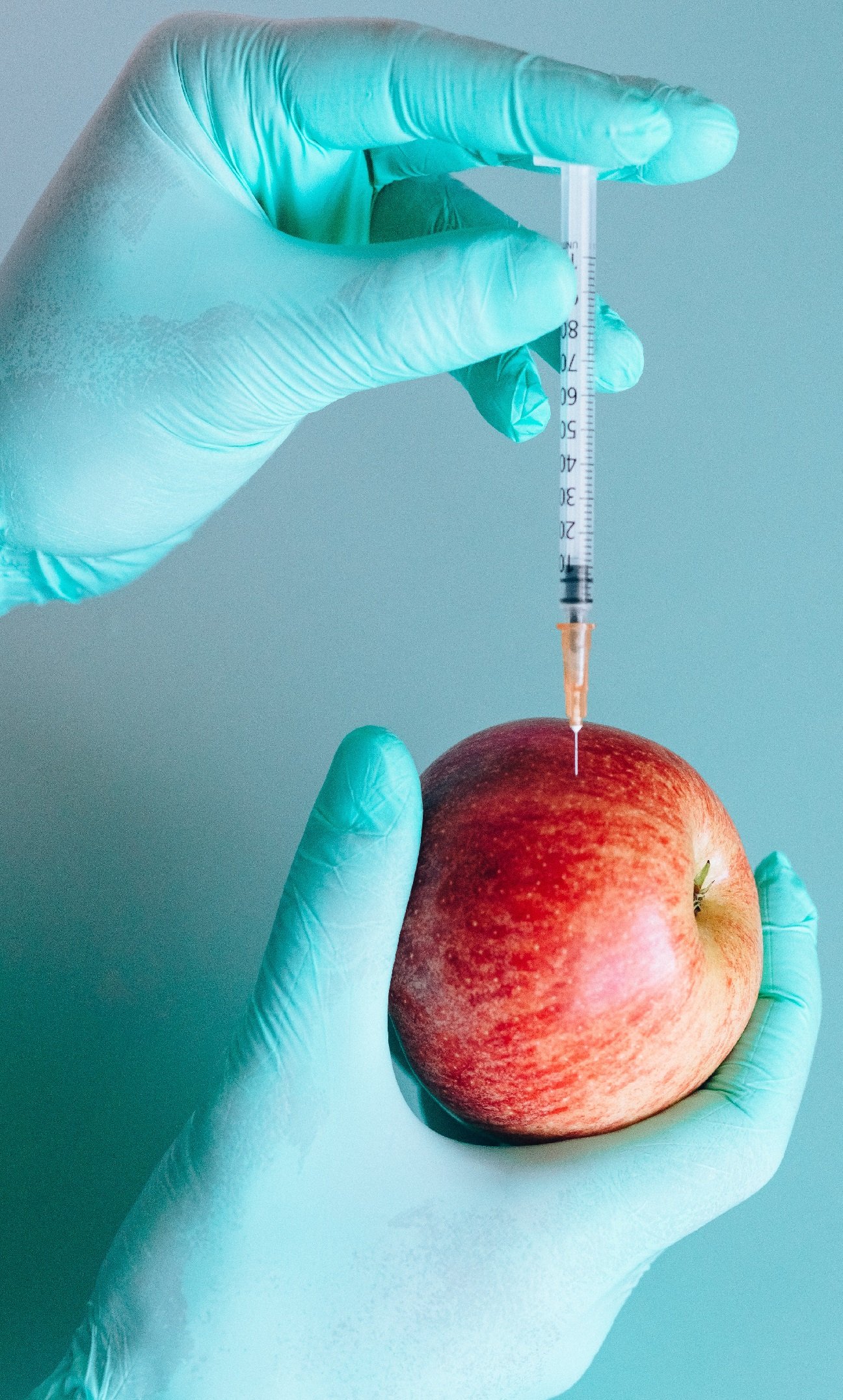
Introduction: In today's fast-paced world, where technology reigns and accessibility to information is at our fingertips, the concept of health intelligence has gained significant traction. As people become more aware of the importance of balanced nutrition and its impact on overall well-being, the demand for biofood, a term coined for naturally sourced and organic food, has skyrocketed. In this blog post, we will explore the intersection of biofood and health intelligence, and how they can work together to pave the way for a smarter, healthier future. What is Biofood? Biofood, also known as organic or biodynamic food, refers to agricultural products grown and produced without the use of synthetic pesticides, fertilizers, or genetically modified organisms (GMOs). With a focus on sustainable farming practices, biofood nourishes both the body and the environment. It maximizes nutrition content while minimizing harmful effects on the planet, ensuring the consumption of cleaner, healthier produce. Health Intelligence: The Key to Harnessing Biofood's Potential Health intelligence involves leveraging technology and data to make informed decisions about health and wellness. By combining biofood with health intelligence, we can optimize the benefits of a balanced diet and unlock a range of possibilities for personal health. 1. Personalized Nutrition: Health intelligence technologies can analyze an individual's unique genetic makeup and lifestyle factors to provide personalized nutrition recommendations. By understanding an individual's specific needs, biofood can be tailored to meet their nutritional requirements, optimize energy levels, and enhance overall well-being. 2. Enhanced Food Safety: Biofood is grown without the use of harmful pesticides and chemicals, making it inherently safer than conventionally grown food. However, health intelligence can further enhance food safety by monitoring the entire supply chain, from farm to table. By tracking and verifying the origin, quality, and handling of biofood products, health intelligence can ensure that only safe and premium quality produce reaches consumers. 3. Sustainable Agriculture: The integration of health intelligence with biofood empowers farmers with data-driven insights to optimize their farming practices. By monitoring soil health, weather patterns, and crop yield, farmers can make informed decisions about planting, fertilizing, and harvesting crops. This not only promotes sustainable agriculture but also aids in producing biofood with maximum nutritional value. 4. Preventive Healthcare: Biofood, rich in essential nutrients and antioxidants, plays a vital role in preventive healthcare. When combined with health intelligence, individuals can gain a deeper understanding of how their diet affects their health. They can track their food intake, monitor nutrient deficiencies, and receive personalized recommendations, promoting proactive well-being and reducing the risk of chronic diseases. Conclusion: The synergistic combination of biofood and health intelligence has immense potential in revolutionizing the way we think about nutrition and well-being. From personalized nutrition to enhanced food safety and sustainability, this dynamic duo can lead us towards a smarter, healthier future. By embracing biofood and harnessing the power of health intelligence technologies, we have the opportunity to make more informed choices, optimize our health, and contribute to a more sustainable planet. Let's nourish ourselves with biofood and become health intelligent, paving the way for a brighter tomorrow For an in-depth analysis, I recommend reading http://www.deleci.com For a broader exploration, take a look at http://www.doctorregister.com For a broader perspective, don't miss http://www.tinyfed.com You can also check following website for more information about this subject: http://www.eatnaturals.com For an in-depth analysis, I recommend reading http://www.biofitnesslab.com Have a look at http://www.mimidate.com
Leave a Comment:
SEARCH
Recent News
- Zurich, Switzerland has long been known for its exceptional quality of life, beautiful surroundings, and high standard of healthcare. In contrast, the Russian healthcare system has faced various challenges and struggles over the years. Let's delve into the differences between the healthcare systems in Zurich, Switzerland, and Russia.
- Navigating Medical Device Regulations in Zurich, Switzerland
- In the bustling city of Zurich, Switzerland, finding healthy fast food options can be a challenge. However, with a little exploration and curiosity, you can discover some fantastic spots that offer nutritious and delicious meals on the go.
- YouTube Content Creation: Exploring the Russian Healthcare System
- In today's digital age, YouTube has become a powerful platform for content creators to share their knowledge and expertise with a global audience. One particular niche that has been gaining traction on YouTube is the creation and translation of content related to medical devices regulation.
- Are you looking for tips on creating YouTube content about healthy fast food options and the importance of translation in reaching a wider audience? Let's dive into how you can combine these two aspects to create engaging and informative videos for your channel.
- Exploring the Russian Healthcare System: Insights from a YouTube Channel
- Navigating the Regulatory Landscape for Medical Devices on YouTube
READ MORE
3 months ago Category :

Zurich, Switzerland has long been known for its exceptional quality of life, beautiful surroundings, and high standard of healthcare. In contrast, the Russian healthcare system has faced various challenges and struggles over the years. Let's delve into the differences between the healthcare systems in Zurich, Switzerland, and Russia.
Read More →3 months ago Category :

Navigating Medical Device Regulations in Zurich, Switzerland
Read More →3 months ago Category :

In the bustling city of Zurich, Switzerland, finding healthy fast food options can be a challenge. However, with a little exploration and curiosity, you can discover some fantastic spots that offer nutritious and delicious meals on the go.
Read More →3 months ago Category :
