Understanding Common Medical Procedures for Improved Health
Category : | Sub Category : Posted on 2023-10-30 21:24:53
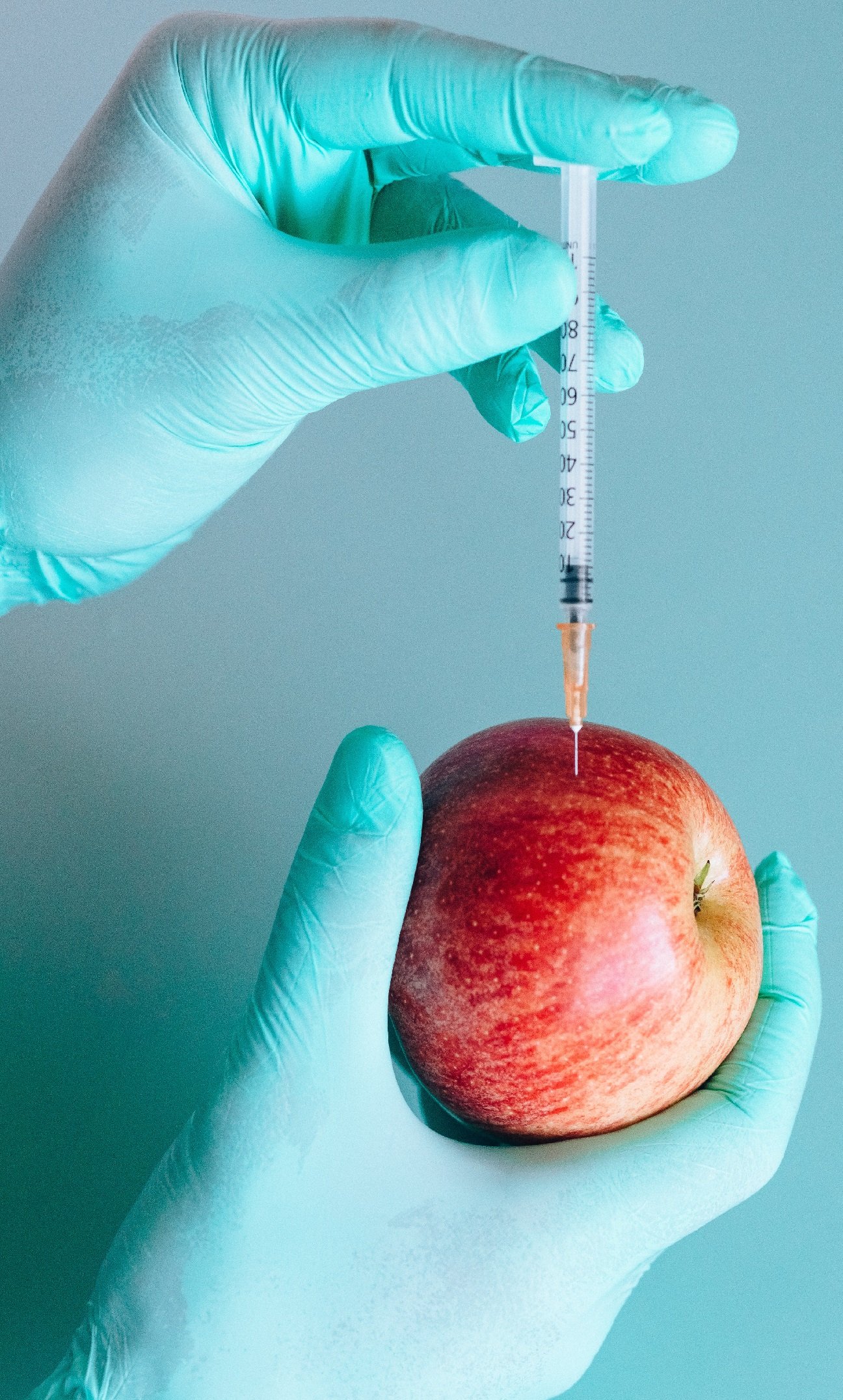
Introduction: Maintaining good health is essential for a happy and fulfilling life. However, there may come a time when medical procedures become necessary to treat certain health conditions. In this blog post, we will discuss some common medical procedures that can help improve overall health and well-being. 1. Endoscopy: Endoscopy is a non-invasive procedure that allows doctors to visually examine the digestive tract, respiratory system, or other hollow organs using a thin, flexible tube with a camera attached. It is commonly used to diagnose and treat conditions such as gastrointestinal disorders, ulcers, and certain types of cancer. Endoscopy is a minimally invasive procedure that offers quicker recovery time and significantly reduces the risk of complications. 2. Colonoscopy: Colonoscopy is a diagnostic procedure that involves the examination of the colon and rectum using a long, flexible tube called a colonoscope. This procedure is essential for detecting and preventing colon cancer, as it allows doctors to identify polyps or abnormal growths and remove them before they become cancerous. Colonoscopy is recommended for individuals above 50 years of age or those with a family history of colon cancer. 3. Cardiac Catheterization: Cardiac catheterization, also known as coronary angiography, is a procedure used to diagnose and treat heart conditions. During this procedure, a thin tube (catheter) is inserted into a blood vessel in the groin, arm, or wrist and guided to the heart. Contrast dye is then injected, allowing doctors to view the heart vessels and identify any blockages or narrowing. Cardiac catheterization helps determine the best course of action, such as angioplasty or bypass surgery, to improve heart health. 4. Laparoscopic Surgery: Laparoscopic surgery, also referred to as minimally invasive surgery, is a technique used for various abdominal procedures. It involves making small incisions through which a laparoscope (a long, slender instrument with a camera) and other specialized tools are inserted. This allows surgeons to visualize and repair organs or remove diseased tissues with minimal invasion. Laparoscopic surgery offers numerous benefits, including reduced pain, shorter hospital stays, and faster recovery times. 5. MRI (Magnetic Resonance Imaging): MRI is a non-invasive procedure that uses powerful magnets and radio waves to generate detailed images of the body's organs and tissues. It is commonly used for diagnosing a wide range of conditions, including soft tissue injuries, brain tumors, and spinal cord abnormalities. Unlike other imaging techniques, MRI does not involve ionizing radiation, making it safe for most individuals. The detailed images obtained through MRI help doctors make accurate diagnoses and develop appropriate treatment plans. Conclusion: While the thought of undergoing medical procedures may seem daunting, understanding the common ones can alleviate anxiety and empower individuals to make informed decisions about their health. From endoscopy and colonoscopy for gastrointestinal health to cardiac catheterization for heart conditions, there are various procedures available for improving overall health. Medical advancements have made these procedures safer, more effective, and less invasive, resulting in quicker recovery times and better outcomes. Remember to consult with your healthcare professional to determine the most suitable procedure for your specific health needs. For valuable insights, consult http://www.doctorregister.com Get more at http://www.tinyfed.com
Leave a Comment:
SEARCH
Recent News
- Zurich, Switzerland has long been known for its exceptional quality of life, beautiful surroundings, and high standard of healthcare. In contrast, the Russian healthcare system has faced various challenges and struggles over the years. Let's delve into the differences between the healthcare systems in Zurich, Switzerland, and Russia.
- Navigating Medical Device Regulations in Zurich, Switzerland
- In the bustling city of Zurich, Switzerland, finding healthy fast food options can be a challenge. However, with a little exploration and curiosity, you can discover some fantastic spots that offer nutritious and delicious meals on the go.
- YouTube Content Creation: Exploring the Russian Healthcare System
- In today's digital age, YouTube has become a powerful platform for content creators to share their knowledge and expertise with a global audience. One particular niche that has been gaining traction on YouTube is the creation and translation of content related to medical devices regulation.
- Are you looking for tips on creating YouTube content about healthy fast food options and the importance of translation in reaching a wider audience? Let's dive into how you can combine these two aspects to create engaging and informative videos for your channel.
- Exploring the Russian Healthcare System: Insights from a YouTube Channel
- Navigating the Regulatory Landscape for Medical Devices on YouTube
READ MORE
10 months ago Category :

Zurich, Switzerland has long been known for its exceptional quality of life, beautiful surroundings, and high standard of healthcare. In contrast, the Russian healthcare system has faced various challenges and struggles over the years. Let's delve into the differences between the healthcare systems in Zurich, Switzerland, and Russia.
Read More →10 months ago Category :

Navigating Medical Device Regulations in Zurich, Switzerland
Read More →10 months ago Category :

In the bustling city of Zurich, Switzerland, finding healthy fast food options can be a challenge. However, with a little exploration and curiosity, you can discover some fantastic spots that offer nutritious and delicious meals on the go.
Read More →10 months ago Category :
