Medicine Meets Vegan Meal Preparation: A Healthy and Compassionate Approach
Category : | Sub Category : Posted on 2023-10-30 21:24:53
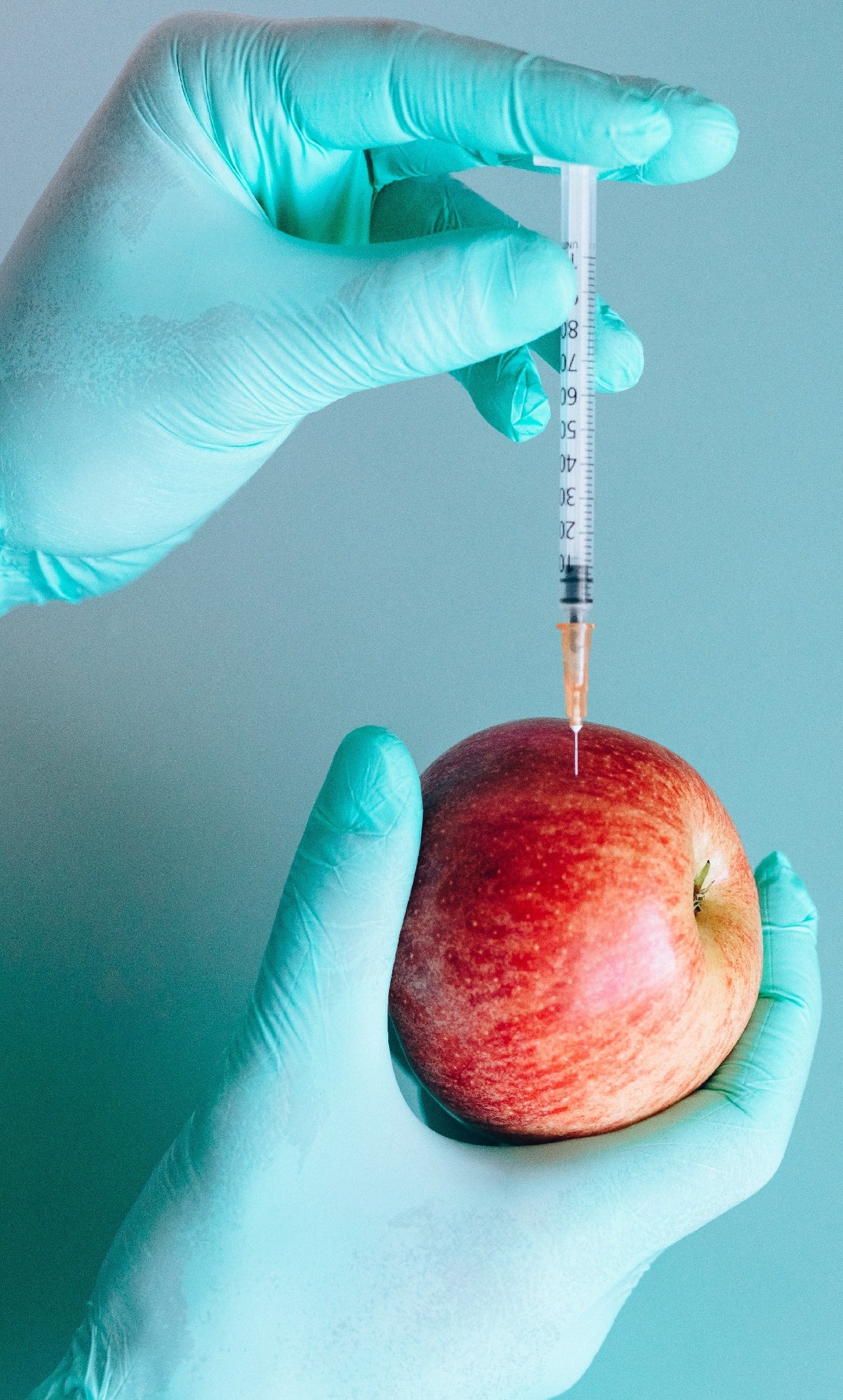
Introduction: In recent years, the world has witnessed a surge in the popularity of veganism as a lifestyle choice. People are shifting towards plant-based diets for various reasons, including ethical considerations, environmental concerns, and health benefits. The benefits of veganism extend beyond personal health, as studies have shown that adopting a vegan diet can have positive effects on preventing and managing diseases. In this blog post, we will explore the intersection of medicine and vegan meal preparation, offering nutrition tips that ensure both optimal health and compassion in your diet. 1. Plant-based Proteins for Optimal Nutrition: One concern often raised regarding vegan diets is the absence of animal-based proteins, which are considered complete proteins. However, it is entirely possible to meet your protein requirements on a vegan diet by incorporating a variety of plant-based protein sources such as legumes, tofu, tempeh, quinoa, and hemp seeds. These plant-based proteins are not only rich in essential amino acids but also offer additional benefits like fiber and phytonutrients that are beneficial for overall health. 2. Essential Nutrients for Vegans: To maintain optimal health on a vegan diet, it is crucial to pay attention to certain nutrients that are commonly found in animal products. These include vitamin B12, omega-3 fatty acids, iron, calcium, and zinc. While some of these nutrients can be obtained through fortified vegan foods, others may require supplementation. Consult with a healthcare professional to determine if you need supplements, and incorporate fortified foods like plant-based milks, nutritional yeast, and green leafy vegetables into your diet. 3. Cooking Techniques: Preparing vegan meals can be a creative and enjoyable process. Focus on using cooking techniques that preserve the nutrients in your food. Steaming, sauting, grilling, and baking are great ways to retain the nutritional value of vegetables, legumes, and whole grains. Avoid deep frying, as it can lead to the formation of harmful compounds. Experiment with herbs, spices, and flavorful vegetables to enhance the taste of your dishes and make them more satisfying. 4. The Power of Herbs and Spices: To add depth of flavor to your vegan meals, explore the world of herbs and spices. Not only do these ingredients enhance the taste of your dishes, but they also possess numerous health benefits. Turmeric, for example, has anti-inflammatory properties, while garlic and ginger are known for their immune-boosting effects. Incorporate herbs like basil, rosemary, thyme, and cilantro for added freshness and aroma. 5. Meal Planning and Batch Cooking: To ensure a consistent and healthy vegan diet, meal planning and batch cooking are essential. Take some time to plan your meals for the week, considering the nutritional balance of each dish. Make a grocery list and purchase fresh, seasonal, and organic ingredients whenever possible. Dedicate a day or two to batch cooking, preparing larger portions that can be frozen or refrigerated for later consumption. This will not only save you time and effort but also help you make healthier food choices throughout the week. Conclusion: By combining the principles of medicine and vegan meal preparation, you can create a diet that is not only nutritious but also compassionate towards animals and the planet. With careful planning, attention to essential nutrients, and creative cooking techniques, embracing a vegan lifestyle can truly be a transformative and health-conscious choice. Remember to consult with a healthcare professional or registered dietitian for personalized guidance on meeting your specific needs on a vegan diet. For more information about this: http://www.doctorregister.com To delve deeper into this subject, consider these articles: http://www.alienvegan.com Don't miss more information at http://www.tinyfed.com
Leave a Comment:
SEARCH
Recent News
- Zurich, Switzerland has long been known for its exceptional quality of life, beautiful surroundings, and high standard of healthcare. In contrast, the Russian healthcare system has faced various challenges and struggles over the years. Let's delve into the differences between the healthcare systems in Zurich, Switzerland, and Russia.
- Navigating Medical Device Regulations in Zurich, Switzerland
- In the bustling city of Zurich, Switzerland, finding healthy fast food options can be a challenge. However, with a little exploration and curiosity, you can discover some fantastic spots that offer nutritious and delicious meals on the go.
- YouTube Content Creation: Exploring the Russian Healthcare System
- In today's digital age, YouTube has become a powerful platform for content creators to share their knowledge and expertise with a global audience. One particular niche that has been gaining traction on YouTube is the creation and translation of content related to medical devices regulation.
- Are you looking for tips on creating YouTube content about healthy fast food options and the importance of translation in reaching a wider audience? Let's dive into how you can combine these two aspects to create engaging and informative videos for your channel.
- Exploring the Russian Healthcare System: Insights from a YouTube Channel
- Navigating the Regulatory Landscape for Medical Devices on YouTube
READ MORE
11 months ago Category :

Zurich, Switzerland has long been known for its exceptional quality of life, beautiful surroundings, and high standard of healthcare. In contrast, the Russian healthcare system has faced various challenges and struggles over the years. Let's delve into the differences between the healthcare systems in Zurich, Switzerland, and Russia.
Read More →11 months ago Category :

Navigating Medical Device Regulations in Zurich, Switzerland
Read More →11 months ago Category :

In the bustling city of Zurich, Switzerland, finding healthy fast food options can be a challenge. However, with a little exploration and curiosity, you can discover some fantastic spots that offer nutritious and delicious meals on the go.
Read More →11 months ago Category :
