The Dangers of Medicine Voice Cloning and Synthesis: Protecting Patient Safety
Category : | Sub Category : Posted on 2023-10-30 21:24:53
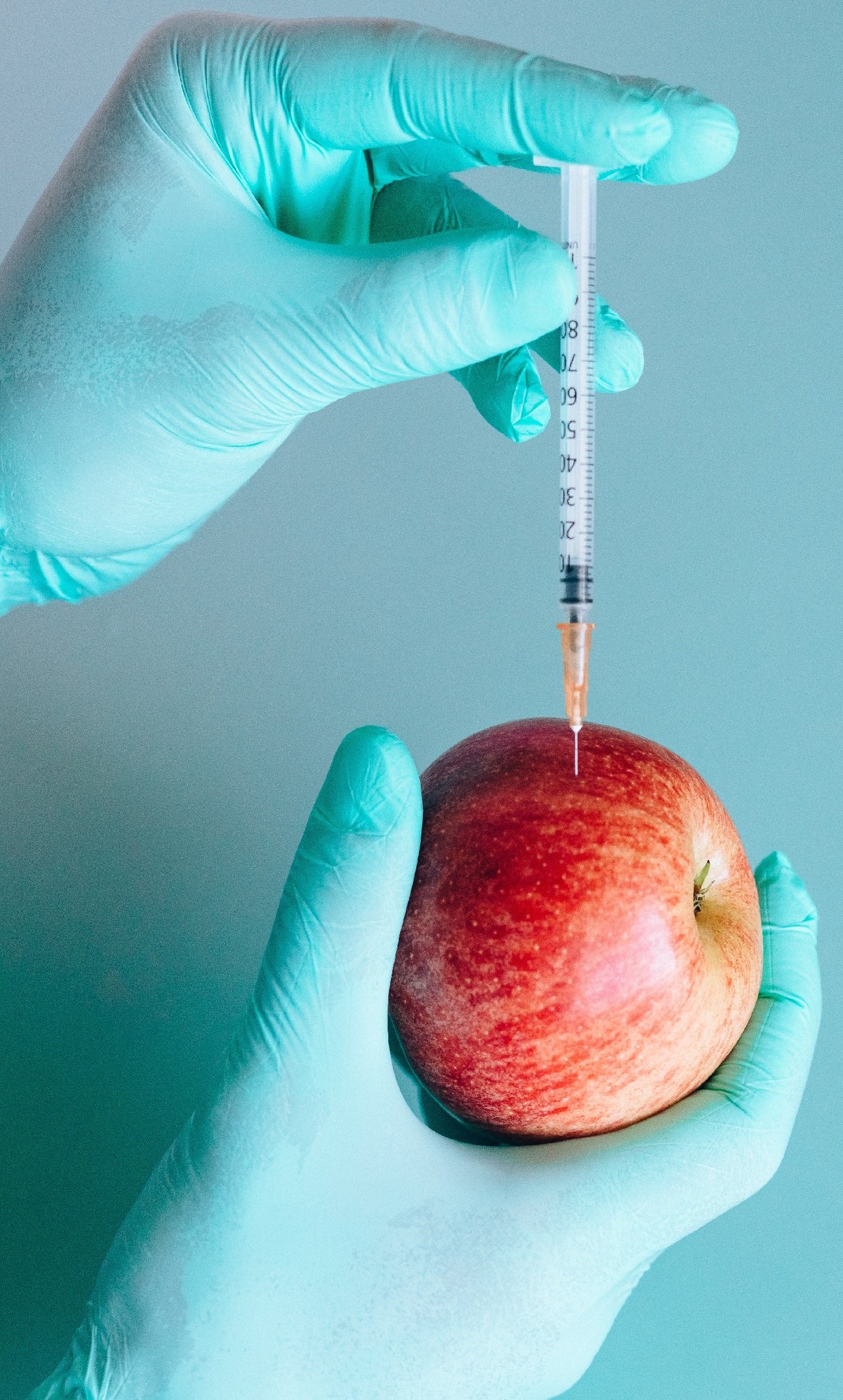
Introduction: With advancing technology and the rise of artificial intelligence (AI), various industries are exploring the potential applications of voice cloning and synthesis. In the field of medicine, voice cloning and synthesis have gained significant attention, offering promising possibilities for patient care and communication. However, amidst the excitement surrounding these developments, it is crucial to acknowledge the potential dangers they pose and adopt necessary safeguards to protect patient safety. Understanding Voice Cloning and Synthesis: Voice cloning involves creating a computer-generated replica of an individual's voice, which closely mimics their tone, accent, and speech patterns. Synthesis, on the other hand, refers to the process of generating speech by combining existing recordings or piecing together small segments of audio. Potential Dangers: 1. Misinformation and Fraud: One of the most significant dangers of voice cloning and synthesis in medicine is the potential for misinformation and fraud. Malicious actors could create synthetic voices that impersonate healthcare professionals, leading to misdiagnosis, prescription errors, and compromised patient care. Physicians' authorized and trusted voices could be easily manipulated, making it difficult for patients to differentiate between genuine and synthetic communication. 2. Ethical Concerns: Using synthesized or cloned voices without explicit consent raises ethical concerns. Patients have the right to know when they are interacting with a synthetic voice, as this may impede trust and the doctor-patient relationship. The potential for deception not only affects patients but also compromises the professional integrity of healthcare providers. 3. Legal Issues: The adoption of voice cloning and synthesis technologies in medicine poses several legal challenges. Identifying responsibility and accountability becomes complex in cases of medical malpractice or errors caused due to synthetic voices. Establishing a legal framework that clearly defines the obligations and liabilities of healthcare professionals and technology providers is essential to ensure patient safety. Protecting Patient Safety: 1. Robust Authentication Processes: Healthcare institutions should implement robust authentication processes, such as multi-factor authentication and voice biometrics, to ensure the integrity of communication channels. Verification mechanisms can help prevent unauthorized access to patient data or secure digital signatures. 2. Transparency and Informed Consent: Patients must be appropriately informed when interacting with synthesized or cloned voices. Implementing clear disclosure protocols and seeking patient consent before utilizing these technologies can preserve patient autonomy and trust. 3. Industry Standards and Regulations: Regulatory bodies should work closely with professionals in the medical and technology fields to establish guidelines and regulations governing the ethical use of voice cloning and synthesis. These standards can help prevent misuse and ensure responsible usage of such technologies. Conclusion: Voice cloning and synthesis technologies hold tremendous potential for healthcare, enabling improved patient care and communication. However, the dangers they pose cannot be overlooked. By acknowledging the risks and implementing appropriate safeguards, we can foster a responsible and ethical approach to utilize these technologies, thus safeguarding patient safety and trust in the healthcare system. As we continue to explore the ever-evolving landscape of AI in medicine, it is imperative that we prioritize patient safety and ensure the responsible integration of technology into healthcare practices. Here is the following website to check: http://www.semifake.com To get a better understanding, go through http://www.doctorregister.com To see the full details, click on: http://www.tinyfed.com
Leave a Comment:
SEARCH
Recent News
- Zurich, Switzerland has long been known for its exceptional quality of life, beautiful surroundings, and high standard of healthcare. In contrast, the Russian healthcare system has faced various challenges and struggles over the years. Let's delve into the differences between the healthcare systems in Zurich, Switzerland, and Russia.
- Navigating Medical Device Regulations in Zurich, Switzerland
- In the bustling city of Zurich, Switzerland, finding healthy fast food options can be a challenge. However, with a little exploration and curiosity, you can discover some fantastic spots that offer nutritious and delicious meals on the go.
- YouTube Content Creation: Exploring the Russian Healthcare System
- In today's digital age, YouTube has become a powerful platform for content creators to share their knowledge and expertise with a global audience. One particular niche that has been gaining traction on YouTube is the creation and translation of content related to medical devices regulation.
- Are you looking for tips on creating YouTube content about healthy fast food options and the importance of translation in reaching a wider audience? Let's dive into how you can combine these two aspects to create engaging and informative videos for your channel.
- Exploring the Russian Healthcare System: Insights from a YouTube Channel
- Navigating the Regulatory Landscape for Medical Devices on YouTube
READ MORE
11 months ago Category :

Zurich, Switzerland has long been known for its exceptional quality of life, beautiful surroundings, and high standard of healthcare. In contrast, the Russian healthcare system has faced various challenges and struggles over the years. Let's delve into the differences between the healthcare systems in Zurich, Switzerland, and Russia.
Read More →11 months ago Category :

Navigating Medical Device Regulations in Zurich, Switzerland
Read More →11 months ago Category :

In the bustling city of Zurich, Switzerland, finding healthy fast food options can be a challenge. However, with a little exploration and curiosity, you can discover some fantastic spots that offer nutritious and delicious meals on the go.
Read More →11 months ago Category :
