The Gut Microbiome Revolution: Exploring Rwanda's Probiotics and Gut Health
Category : | Sub Category : Posted on 2023-10-30 21:24:53
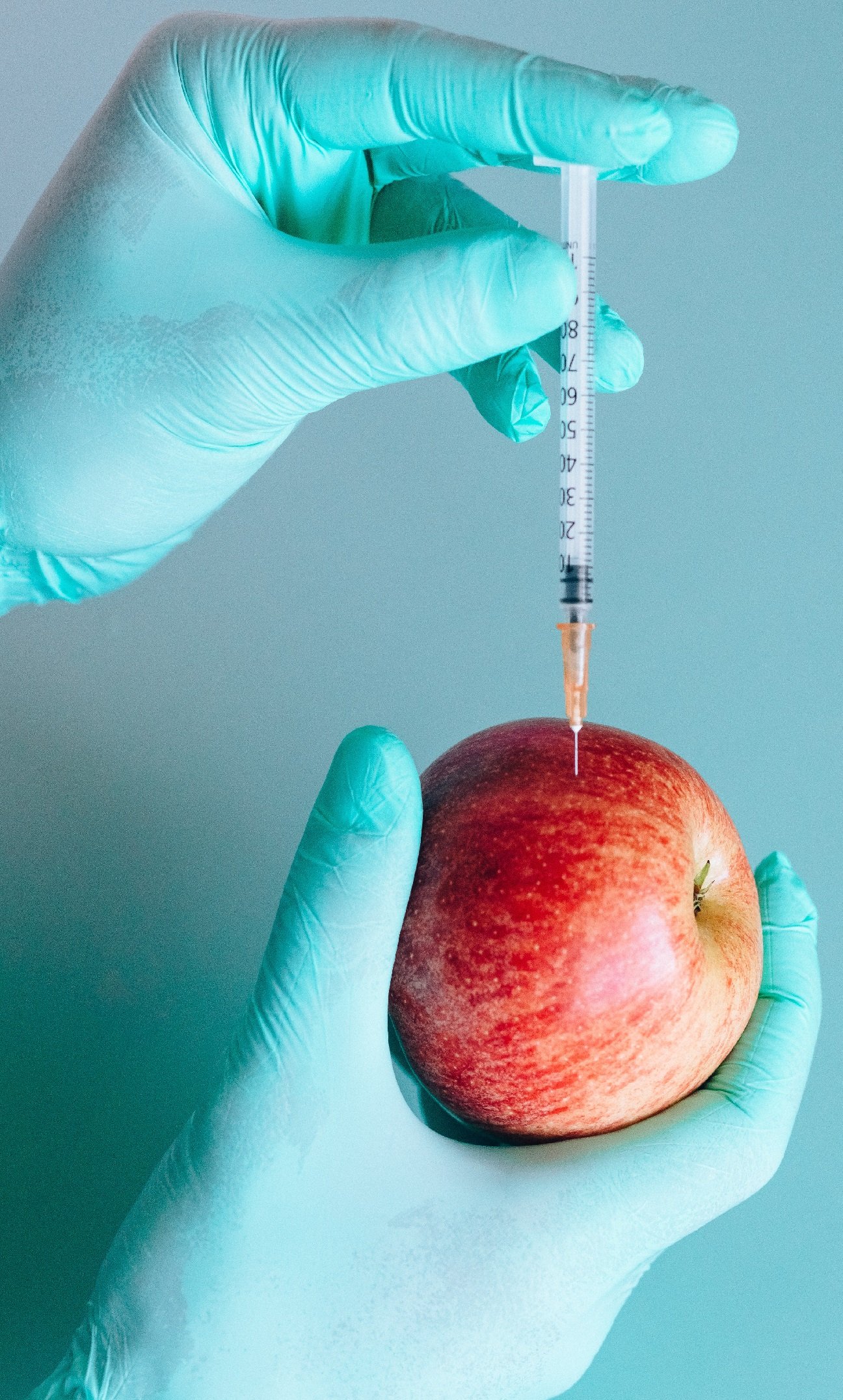
Introduction: In recent years, the importance of gut health and its impact on our overall well-being has gained significant attention. One of the key factors in maintaining a healthy gut is the presence of beneficial bacteria, also known as probiotics. Rwanda, a country known for its rich biodiversity and commitment to sustainable agriculture, has become a hotspot for probiotics research and development. In this blog post, we will explore the role of probiotics in gut health and how Rwanda is contributing to this revolution. Understanding Gut Health and Probiotics: The human gut is home to trillions of microorganisms, collectively known as the gut microbiome. These microorganisms play a crucial role in digesting food, synthesizing vitamins, and maintaining a strong immune system. When the balance of beneficial bacteria in the gut is disrupted, it can lead to various health problems such as digestive issues, allergies, and even mental health disorders. Probiotics are live bacteria and yeasts that are beneficial for our gut health when consumed in adequate amounts. They can be found naturally in certain fermented foods like yogurt, kefir, and sauerkraut, or they can be taken as dietary supplements. Probiotics help restore and maintain the balance of good bacteria in our gut microbiome, thus promoting optimal digestion and overall health. Rwanda's Probiotics Innovations: Rwanda, a country known for its commitment to sustainable agriculture and environmental conservation, has been making remarkable advancements in the field of probiotics and gut health. Through innovative research and development, Rwanda has been exploring ways to harness the power of its natural resources to improve gut health. 1. Fermented Foods Cultures: Rwanda boasts a rich culinary heritage, and fermented foods play a significant role in the local diet. Researchers and food producers are working together to identify and cultivate the specific strains of beneficial bacteria found in these traditional fermented foods. This not only helps preserve Rwanda's cultural heritage but also promotes improved gut health among the population. 2. Medicinal Plants: Rwanda is blessed with a diverse range of medicinal plants known for their health benefits. Researchers are studying these plants to identify potential probiotic properties. Extracts from these plants could be used to develop natural probiotic supplements or functional foods that promote gut health. 3. Sustainable Farming Practices: As part of its commitment to sustainability, Rwanda encourages eco-friendly farming practices. This includes reducing the use of synthetic fertilizers and pesticides, which can disrupt the natural balance of beneficial bacteria in the soil. By promoting organic farming methods, Rwanda aims to ensure that the food grown in its soil is rich in probiotics and supports good gut health. The Future of Gut Health in Rwanda: Rwanda's focus on probiotics and gut health doesn't stop at research and development. Public awareness campaigns and educational programs are being conducted to inform the population about the importance of maintaining a healthy gut. By promoting a balanced diet rich in probiotic-rich foods, Rwanda aims to improve overall health and well-being in the country. Conclusion: Rwanda's commitment to exploring the potential of probiotics and gut health is paving the way for a healthier nation. Through research, innovation, and sustainable practices, Rwanda is positioning itself as an emerging leader in the field. As more people become aware of the profound impact gut health has on overall well-being, the work being done in Rwanda will undoubtedly have far-reaching effects. To get all the details, go through http://www.doctorregister.com Explore this subject further for a deeper understanding. http://www.tinyfed.com To expand your knowledge, I recommend: http://www.biofitnesslab.com
Leave a Comment:
SEARCH
Recent News
- Zurich, Switzerland has long been known for its exceptional quality of life, beautiful surroundings, and high standard of healthcare. In contrast, the Russian healthcare system has faced various challenges and struggles over the years. Let's delve into the differences between the healthcare systems in Zurich, Switzerland, and Russia.
- Navigating Medical Device Regulations in Zurich, Switzerland
- In the bustling city of Zurich, Switzerland, finding healthy fast food options can be a challenge. However, with a little exploration and curiosity, you can discover some fantastic spots that offer nutritious and delicious meals on the go.
- YouTube Content Creation: Exploring the Russian Healthcare System
- In today's digital age, YouTube has become a powerful platform for content creators to share their knowledge and expertise with a global audience. One particular niche that has been gaining traction on YouTube is the creation and translation of content related to medical devices regulation.
- Are you looking for tips on creating YouTube content about healthy fast food options and the importance of translation in reaching a wider audience? Let's dive into how you can combine these two aspects to create engaging and informative videos for your channel.
- Exploring the Russian Healthcare System: Insights from a YouTube Channel
- Navigating the Regulatory Landscape for Medical Devices on YouTube
READ MORE
11 months ago Category :

Zurich, Switzerland has long been known for its exceptional quality of life, beautiful surroundings, and high standard of healthcare. In contrast, the Russian healthcare system has faced various challenges and struggles over the years. Let's delve into the differences between the healthcare systems in Zurich, Switzerland, and Russia.
Read More →11 months ago Category :

Navigating Medical Device Regulations in Zurich, Switzerland
Read More →11 months ago Category :

In the bustling city of Zurich, Switzerland, finding healthy fast food options can be a challenge. However, with a little exploration and curiosity, you can discover some fantastic spots that offer nutritious and delicious meals on the go.
Read More →11 months ago Category :
