Unlocking the Potential of Urdu Health Intelligence in Latin America
Category : | Sub Category : Posted on 2023-10-30 21:24:53
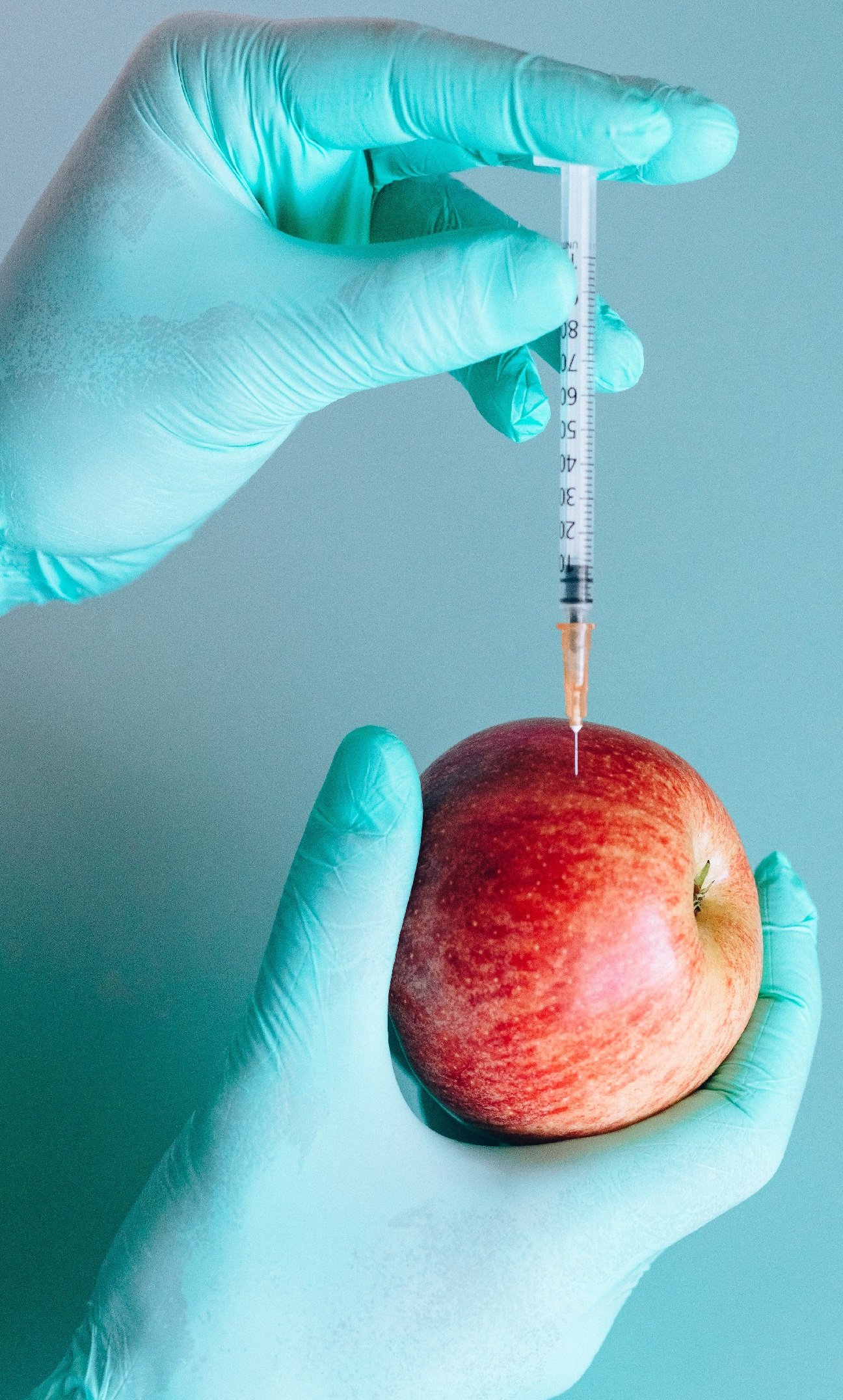
Introduction: In today's interconnected world, the importance of leveraging language and cultural diversity cannot be overstated. Latin America, a region rich in diversity and multiculturalism, is now faced with the challenge of effectively communicating and addressing health-related issues. One language that holds tremendous potential in this regard is Urdu, a language spoken by millions of people in the Indian subcontinent. In this blog post, we will explore the benefits of utilizing Urdu health intelligence in Latin America and how it can contribute to improving healthcare outcomes in the region. Understanding the Language: Urdu, with its roots in Persian and Arabic, is the national language of Pakistan. It shares similarities with several other languages spoken in the Indian subcontinent, making it a lingua franca for a vast number of people. The Latin American countries, with their own cultural diversity, can tap into the linguistic resources of Urdu-speaking communities to bridge the communication gap in the healthcare sector. Leveraging Urdu Health Intelligence: 1. Overcoming Language Barriers: Latin America is home to various languages such as Spanish, Portuguese, and indigenous languages. Urdu health intelligence can act as a valuable tool in breaking down language barriers between healthcare providers and patients. By providing translations and interpretations of vital health information, medical professionals can ensure that accurate and culturally sensitive communication takes place. 2. Promoting Cultural Competence: Understanding the cultural nuances of a community is crucial in healthcare service delivery. By integrating Urdu health intelligence, medical professionals in Latin America can enhance their cultural competency. This understanding allows healthcare providers to tailor their approach, respect religious or cultural practices, and provide holistic care to Urdu-speaking patients. 3. Enhancing Access to Health Information: Access to reliable health information is essential for informed decision-making and promoting overall well-being. Urdu health intelligence platforms can offer a wealth of information on various health topics, from prevention to treatment options. This can empower Urdu-speaking communities in Latin America to make healthier choices and seek appropriate healthcare services. 4. Fostering Community Engagement: Urdu health intelligence can bring communities together by offering inclusive and culturally appropriate health education initiatives. It can facilitate the creation of community-driven programs, workshops, and support networks, enabling Urdu-speaking individuals to actively participate in improving their own health outcomes. Conclusion: Latin America's diverse population can greatly benefit from the integration of Urdu health intelligence. By utilizing the linguistic and cultural resources of Urdu-speaking communities, healthcare providers can break down barriers, promote cultural understanding, and enhance access to health information. Embracing this approach will not only bridge the language gap but also foster a more inclusive and equitable healthcare system for all. To find answers, navigate to http://www.uurdu.com For an in-depth examination, refer to http://www.doctorregister.com Click the following link for more http://www.tinyfed.com
Leave a Comment:
SEARCH
Recent News
- Zurich, Switzerland has long been known for its exceptional quality of life, beautiful surroundings, and high standard of healthcare. In contrast, the Russian healthcare system has faced various challenges and struggles over the years. Let's delve into the differences between the healthcare systems in Zurich, Switzerland, and Russia.
- Navigating Medical Device Regulations in Zurich, Switzerland
- In the bustling city of Zurich, Switzerland, finding healthy fast food options can be a challenge. However, with a little exploration and curiosity, you can discover some fantastic spots that offer nutritious and delicious meals on the go.
- YouTube Content Creation: Exploring the Russian Healthcare System
- In today's digital age, YouTube has become a powerful platform for content creators to share their knowledge and expertise with a global audience. One particular niche that has been gaining traction on YouTube is the creation and translation of content related to medical devices regulation.
- Are you looking for tips on creating YouTube content about healthy fast food options and the importance of translation in reaching a wider audience? Let's dive into how you can combine these two aspects to create engaging and informative videos for your channel.
- Exploring the Russian Healthcare System: Insights from a YouTube Channel
- Navigating the Regulatory Landscape for Medical Devices on YouTube
READ MORE
11 months ago Category :

Zurich, Switzerland has long been known for its exceptional quality of life, beautiful surroundings, and high standard of healthcare. In contrast, the Russian healthcare system has faced various challenges and struggles over the years. Let's delve into the differences between the healthcare systems in Zurich, Switzerland, and Russia.
Read More →11 months ago Category :

Navigating Medical Device Regulations in Zurich, Switzerland
Read More →11 months ago Category :

In the bustling city of Zurich, Switzerland, finding healthy fast food options can be a challenge. However, with a little exploration and curiosity, you can discover some fantastic spots that offer nutritious and delicious meals on the go.
Read More →11 months ago Category :
